

Buying a property in Chennai can be an exciting milestone, but one wrong decision can turn a valuable investment into a long-term financial and legal headache. From overlooking property documents to focusing only on the advertised price, buyers often make avoidable mistakes because they are influenced by attractive offers, sales promises, or incomplete information.
If you plan to Buy Property in Chennai, it is important to look beyond the location, interiors, and price tag. A property purchase should involve careful legal verification, financial planning, physical inspection, and an understanding of the property's future potential. This guide explains six common mistakes buyers should avoid and provides practical ways to make a more informed decision.
One of the biggest mistakes buyers make is choosing a property simply because it appears cheaper than similar properties nearby.
A low asking price does not automatically mean a good deal. The difference could be related to location, title issues, construction quality, access roads, amenities, age of the property, pending dues, or future development concerns.
For example, a property may have an attractive price but require significant renovation after purchase. Similarly, a cheaper location may have limited access to public transport, schools, healthcare facilities, or major employment hubs.

Compare the property with similar properties in the same locality or micro-market. Look at:
The objective should not be finding the cheapest property. It should be finding a property whose price is justified by its overall value, condition, and long-term potential.
A beautifully designed home can still become a problematic investment if its ownership or documentation is unclear.
Buyers sometimes rely completely on the seller, broker, or builder to confirm that everything is in order. That approach can be risky. Property transactions involve multiple documents, and an issue in the ownership chain or an undisclosed encumbrance can create serious complications later.
Before purchasing, buyers should independently verify the relevant ownership and property records and seek professional legal assistance wherever necessary.
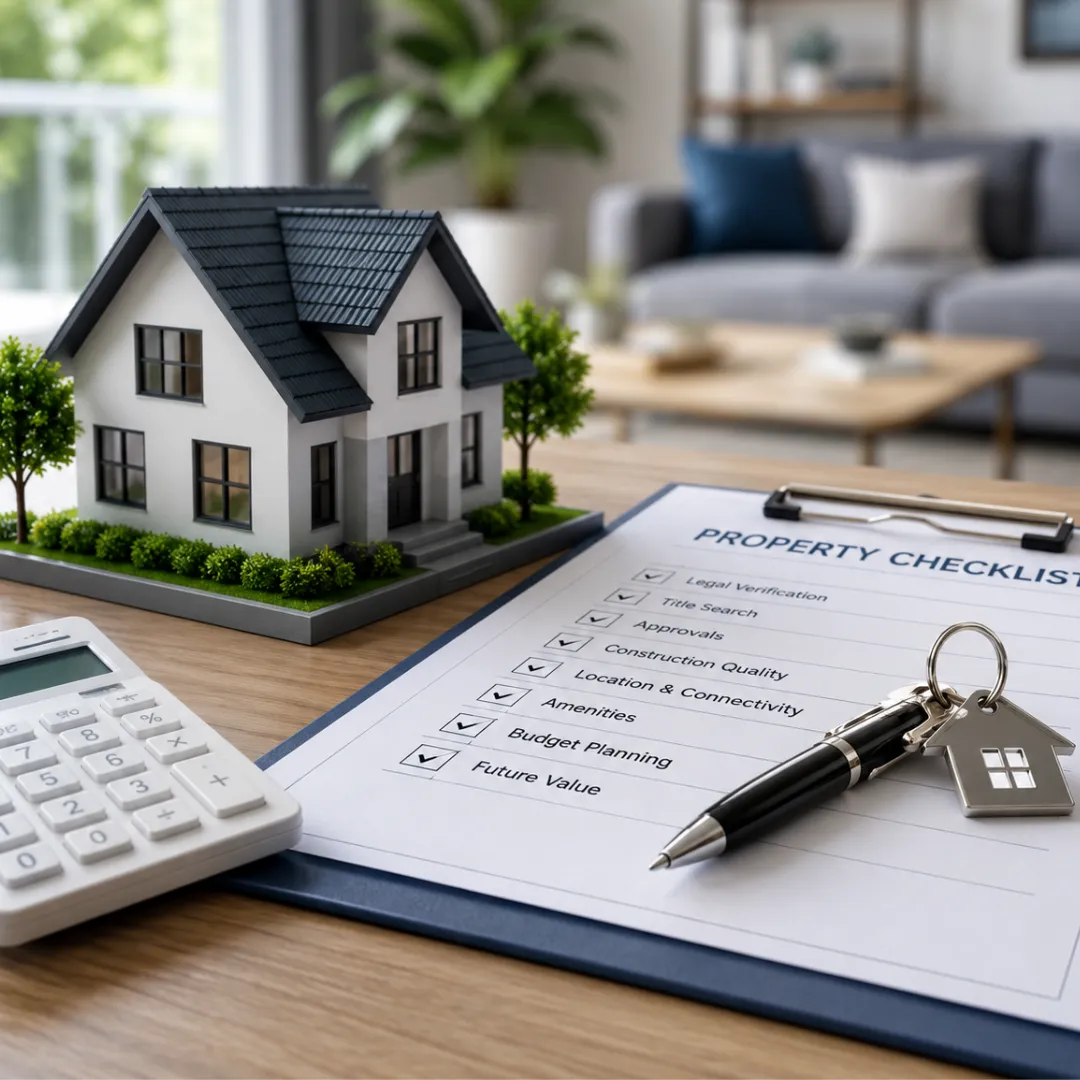
Before committing substantial money, arrange an independent legal review of relevant documents, including, where applicable:
Do not assume that a photocopy or verbal assurance is sufficient. Proper document verification before purchase is usually far less expensive than dealing with a title dispute or ownership problem later.
This mistake is particularly common when purchasing apartments or new developments.
Marketing material can highlight amenities, future infrastructure, impressive specifications, and projected completion dates. However, buyers should distinguish between what is advertised and what is officially approved or documented.
For applicable projects, checking Tamil Nadu RERA information is an important part of due diligence. Buyers should review the project's registration details, promoter information, approvals, project status, and other available disclosures.
Before paying a booking amount, independently verify:
Never rely exclusively on screenshots, WhatsApp messages, or verbal statements. Ask for official documentation and compare it with the property being offered.
Many buyers calculate affordability using only the property's quoted price. This can create a major budgeting problem.
The actual cost of purchasing property can include registration charges, stamp duty, brokerage, legal fees, loan-related expenses, interiors, repairs, maintenance deposits, parking charges, taxes, and other transaction-specific costs.
The same principle applies after purchase. A property with expensive monthly maintenance or frequent repair requirements may cost substantially more over several years.
Prepare a complete purchase budget before making an offer. Separate your expenses into three categories:
One-time costs:
Purchase price, registration-related expenses, legal fees, brokerage, interiors, and immediate repairs.
Recurring costs:
Property tax, maintenance charges, insurance, utilities, and periodic repairs.
Financing costs:
Down payment, loan processing expenses, and interest.
This approach gives you a realistic picture of affordability instead of relying on the property's headline price.
A property can look perfect during a weekend visit and still be inconvenient for everyday life.
Chennai is a large and developing metropolitan area, and conditions can vary significantly between neighbourhoods. Buyers should consider not only where a property is today but also how the surrounding area may develop in the future.
Think about your daily commute, road accessibility, public transportation, schools, healthcare, shopping, drainage, water availability, neighbourhood infrastructure, and potential development around the property.
Visit the property more than once and, if possible, at different times of the day.
Pay attention to:
Also research planned infrastructure and development rather than making a purchase decision based solely on rumours. Location research should be based on credible information wherever possible.
Buying property should not be viewed only as the beginning of ownership. A smart buyer should also consider what happens several years later.
Your circumstances may change. You may relocate for work, need additional space, require liquidity, or decide to convert the property into an income-generating asset.
Before purchasing, ask yourself:
Who is likely to want this property in the future?
A property with good connectivity, practical layouts, strong neighbourhood infrastructure, and clear documentation generally has a better chance of attracting future buyers or tenants.
If your circumstances change, understanding the local market will also help you decide whether it makes more sense to rent property in Chennai temporarily rather than rushing into another purchase.
Similarly, owners who eventually decide to Sell Property in Chennai should understand that documentation, property condition, pricing, presentation, and market demand can all influence the selling process.
A practical pre-purchase review should cover five major areas.
Confirm ownership, title history, encumbrances, approvals, and relevant property documents.
Calculate the complete acquisition cost, loan burden, recurring expenses, and emergency financial buffer.
Inspect construction quality, plumbing, electrical systems, ventilation, flooring, walls, parking, access, and common areas.
Study connectivity, infrastructure, essential services, neighbourhood conditions, and future development.
Consider rental demand, resale prospects, maintenance requirements, and how well the property may fit your future needs.
If you are an NRI, living in another city, or unable to personally monitor a property after purchase, professional assistance can also make ownership easier. A reliable property management company in Chennai can help owners coordinate maintenance, tenant-related matters, inspections, and other ongoing property requirements.
Property purchases involve significant amounts of money, so urgency should never replace due diligence.
If a seller pressures you to pay immediately, an offer appears available for “today only,” or you are told that documentation can be checked later, take a step back. A genuine opportunity should withstand reasonable verification.
A useful approach is to follow this sequence:
Research → Inspect → Verify → Compare → Negotiate → Review → Purchase
This process may take additional time, but it can help you identify problems before they become expensive.
Buying property in Chennai can be a rewarding long-term decision when approached with patience and proper research. The biggest mistakes usually happen when buyers rush, depend entirely on verbal assurances, overlook documentation, underestimate total costs, or fail to think about future needs.
The safest approach is simple: verify before you invest.
Take time to understand the property, investigate its legal and physical condition, evaluate the surrounding location, calculate the complete cost, and consider your long-term objectives. A well-researched decision today can protect both your finances and your peace of mind for years to come.
For property owners who want dependable support beyond the purchase, managing the property efficiently over the long term is equally important. This is where Manage My Estate can provide professional assistance with property-related requirements in Chennai, helping owners with ongoing property coordination, maintenance support, and tenant-related assistance. This can be particularly useful for owners who live outside Chennai or have limited time to personally oversee their property. With an owner-focused approach, Manage My Estate aims to make property ownership simpler, more organized, and stress-free.
What is the first thing to check before buying a property in Chennai?
The first step should be verifying the property's ownership and legal status. Review the title documents and obtain relevant records before making a significant financial commitment.
Is checking RERA registration enough before buying an apartment?
No. RERA verification is useful, but it should be part of a broader due-diligence process. Buyers should also examine title documents, approvals, sanctioned plans, agreements, project status, and other relevant records.
Should I inspect a property more than once before buying?
Yes. Multiple visits can reveal issues that may not be obvious during a single inspection. Visiting at different times can also help you understand traffic, noise, accessibility, and neighbourhood conditions.
How can I calculate the actual cost of buying a property?
Start with the purchase price and add applicable registration and transaction expenses, legal and brokerage fees, loan-related costs, interiors, immediate repairs, and other charges. Also estimate recurring expenses such as maintenance and property tax.
Is location more important than the property's interior?
Both matter, but location can have a major impact on long-term convenience, rental demand, and resale potential. Attractive interiors cannot compensate for fundamental issues such as poor connectivity or an unsuitable neighbourhood.